
Anxiety, a pervasive and often debilitating condition, manifests as a state of apprehension, worry, or fear, frequently accompanied by physical symptoms such as increased heart rate, shortness of breath, and muscle tension. While various therapeutic interventions exist, including cognitive-behavioral therapy and pharmacotherapy, complementary approaches like music therapy have gained considerable attention. This article explores the scientific basis and practical applications of calming music for anxiety relief, offering insights into its mechanisms of action and providing guidance on its effective utilization.
Anxiety is fundamentally rooted in the body’s stress response system, primarily involving the sympathetic nervous system and the hypothalamic-pituitary-adrenal (HPA) axis. When confronted with perceived threats, the amygdala, a brain region central to fear processing, alerts the HPA axis, triggering the release of stress hormones like cortisol and adrenaline. This cascade prepares the body for “fight or flight,” but chronic activation can lead to persistent anxiety.
Neurological Responses to Auditory Stimuli
Music, as an organized auditory stimulus, engages multiple brain regions. Research using neuroimaging techniques like fMRI has demonstrated that listening to music, particularly calming melodies, can modulate activity in areas associated with emotion, memory, and executive function.
- Amygdala Regulation: Studies suggest that calming music can decrease activity in the amygdala, thereby reducing the intensity of fear and anxiety responses. This dampening effect can interrupt the initial alarm signal that propagates the stress response.
- Prefrontal Cortex Activation: The prefrontal cortex, responsible for higher-order cognitive processes such as emotional regulation and decision-making, shows increased activation during music listening. This heightened activity can facilitate a more rational processing of anxious thoughts and promote a sense of control.
- Reward System Engagement: Music often activates the brain’s reward system, releasing neurotransmitters like dopamine. This release contributes to feelings of pleasure and well-being, directly counteracting the negative emotional states associated with anxiety.
Autonomic Nervous System Modulation
Beyond direct neurological effects, calming music exerts a significant influence on the autonomic nervous system, the unconscious control system that regulates bodily functions.
- Parasympathetic Dominance: Calming music tends to shift the autonomic balance towards parasympathetic dominance. The parasympathetic nervous system, often referred to as the “rest and digest” system, promotes relaxation, slows heart rate, reduces blood pressure, and encourages deeper, more rhythmic breathing patterns.
- Heart Rate Variability (HRV): Increased heart rate variability, a measure of the beat-to-beat differences in heart rate, is associated with better emotional regulation and stress resilience. Calming music has been shown to increase HRV, indicating an improved ability of the body to adapt to stressors.
- Respiratory Rate Deceleration: The tempo and rhythm of calming music can synchronize with and subtly guide the listener’s breathing rate, encouraging slower, deeper breaths. This regulated breathing is a cornerstone of many relaxation techniques and directly counteracts hyperventilation, a common symptom of anxiety.
If you’re looking for ways to enhance your relaxation experience, you might find it beneficial to explore the connection between relaxation music and anxiety relief. A related article discusses how specific types of music can significantly reduce stress levels and promote a sense of calm. For more information on this topic, you can read the article here: Relaxation Music for Anxiety.
Characteristics of Effective Calming Music
Not all music is equally effective in alleviating anxiety. Specific characteristics contribute to a piece’s calming properties, acting as key ingredients in an anxiolytic auditory recipe.
Tempo and Rhythm
The speed at which a musical piece is played and its underlying pattern of beats are critical factors.
- Slow Tempo: Music with a tempo between 60 and 80 beats per minute (BPM) generally aligns with the resting human heart rate and promotes a sense of tranquility. Faster tempos, above 100 BPM, can be stimulating and may even exacerbate anxiety in some individuals.
- Consistent and Predictable Rhythm: A steady, predictable rhythm provides a sense of order and stability. Disjointed or erratic rhythms can be jarring and may increase a listener’s baseline anxiety levels. Think of a metronome; its consistent beat provides a foundational anchor.
Harmony and Melody
The interplay of different musical notes and the linear sequence of sounds also play a significant role.
- Consonant Harmonies: Consonant harmonies, which sound pleasant and resolved, contribute to a feeling of peace. Dissonant harmonies, characterized by clashing notes, can create tension and unease, intentionally used in some genres to evoke strong emotions, but generally counterproductive for anxiety relief.
- Simple, Repetitive Melodies: Melodies that are easily discernible and gently repetitive can be soothing. Complex, highly varied melodies may require more cognitive effort to process, potentially detracting from relaxation. Imagine a gentle, flowing stream; its consistent, unhurried movement is inherently calming.
Many people find that listening to relaxation music can significantly alleviate feelings of anxiety and stress. In fact, a recent article discusses how specific soundscapes can enhance mindfulness and promote a sense of calm. If you’re interested in exploring more about this topic, you can read the full article on relaxation music for anxiety by following this link. Incorporating such music into your daily routine may lead to improved mental well-being and a more peaceful state of mind.
Instrumentation and Timbre
The types of instruments used and the quality of their sound (timbre) are equally important considerations.
- Soft, Mellow Timbres: Instruments with soft, mellow timbres, such as flutes, classical guitars, pianos, and string instruments (violins, cellos), are often preferred. Their gentle resonance avoids harshness and can create a warm, enveloping sonic environment.
- Absence of Sharp Transients: Sounds with sudden, sharp attacks, like percussive elements with strong transients, can be startling. Calming music generally minimizes these abrupt changes in sound intensity.
- Nature Sounds Integration: Integrating natural soundscapes, such as the gentle lapping of waves, the rustling of leaves, or soft rain, can enhance the calming effect. These sounds are often associated with peaceful environments and can further reduce perceived environmental stressors.
Practical Applications for Anxiety Reduction

Integrating calming music into daily routines can be a powerful tool for managing anxiety. Consider various contexts and methods for its application.
Background Music for Daily Activities
Subtly incorporating calming music into your environment can create a continuous state of mild relaxation.
- Work and Study: Playing instrumental calming music at a low volume during focused work or study periods can reduce ambient distractions and foster a more conducive environment for concentration, without being overly obtrusive.
- Commuting: For many, commuting is a source of daily stress. Listening to calming music during travel can act as a buffer against external stressors and ease the transition between home and work environments.
- Household Chores: Even mundane tasks can be transformed into opportunities for mindfulness and relaxation with the accompaniment of soothing melodies.
Dedicated Relaxation Sessions
Beyond background integration, setting aside specific time for focused listening can yield more profound anxiety relief.
- Mindfulness and Meditation Practice: Calming music can serve as an excellent anchor for mindfulness and meditation, helping to quiet the mind and deepen the state of relaxation. Its consistent rhythm can aid in focusing attention and preventing the mind from wandering.
- Pre-Sleep Routine: Establishing a pre-sleep routine that includes listening to calming music can signal to the body that it’s time to unwind. This can significantly improve sleep onset and quality, addressing a common comorbidity of anxiety.
- Crisis Intervention: During acute moments of anxiety or panic, playing calming music and focusing on its qualities can provide a immediate distraction and help to regulate physiological responses.
Therapeutic Contexts
Music therapy, delivered by trained professionals, utilizes music as a therapeutic intervention for a wide range of conditions, including anxiety disorders.
- Guided Imagery with Music: Therapists may guide individuals through imagery exercises accompanied by specific music to evoke relaxation, explore emotions, or process traumatic experiences in a safe environment.
- Music-Assisted Progressive Muscle Relaxation: Combining progressive muscle relaxation techniques with calming music can enhance the body’s natural relaxation response.
- Live Music Interventions: The unique dynamic of live music, often improvised or tailored to the individual’s needs, can create a deeply personal and effective therapeutic experience.
Optimizing Your Calming Music Experience
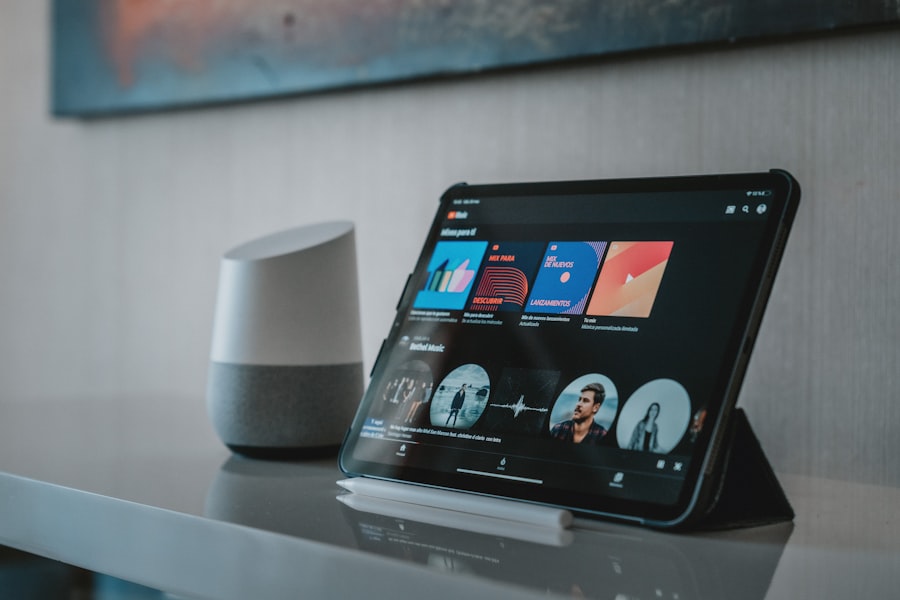
To maximize the anxiolytic benefits of music, consider these practical tips.
Personal Preference and Exploration
While general characteristics of calming music exist, individual preferences are paramount.
- Experimentation: Explore various genres and artists that fit the description of calming music. What resonates with one person may not resonate with another. Some may prefer classical, others ambient electronic, and still others specific world music traditions.
- Self-Monitoring: Pay attention to your physiological and emotional responses while listening. Do you feel your muscles relax? Does your breathing deepen? Does your mind clear? Use these indicators to guide your choices.
Quality of Sound and Environment
The technical quality of the audio and the listening environment can significantly impact the experience.
- High-Fidelity Audio: Whenever possible, use high-quality headphones or speakers. Poor audio quality, with distortions or limited frequency ranges, can diminish the intended effect.
- Minimize Distractions: Create a quiet, undisturbed environment for dedicated relaxation sessions. Turn off notifications and inform others that you require uninterrupted time. This dedicated space allows for full immersion in the auditory experience, much like a sensory deprivation tank selectively focuses one sense.
Consistency and Routine
Like any therapeutic intervention, consistency is key to achieving lasting benefits.
- Regular Practice: Integrate calming music into your routine regularly, not just during moments of peak anxiety. This consistent exposure helps to re-train your nervous system to adopt a more relaxed baseline.
- Anticipation and Preparation: Learn to anticipate potentially stressful situations and proactively use calming music to mitigate their impact. For example, if you know a challenging meeting is approaching, listen to calming music beforehand.
The deliberate application of calming music offers a non-pharmacological, accessible, and enjoyable pathway to anxiety relief. By understanding the scientific underpinnings and harnessing the power of specific musical characteristics, you can effectively integrate this tool into your personal well-being strategy.
To elevate your focus and well-being, download the LiquidSounds app from the home page; your ultimate gateway to mastering deep work, finding your zen, and reclaiming the quality of your sleep.