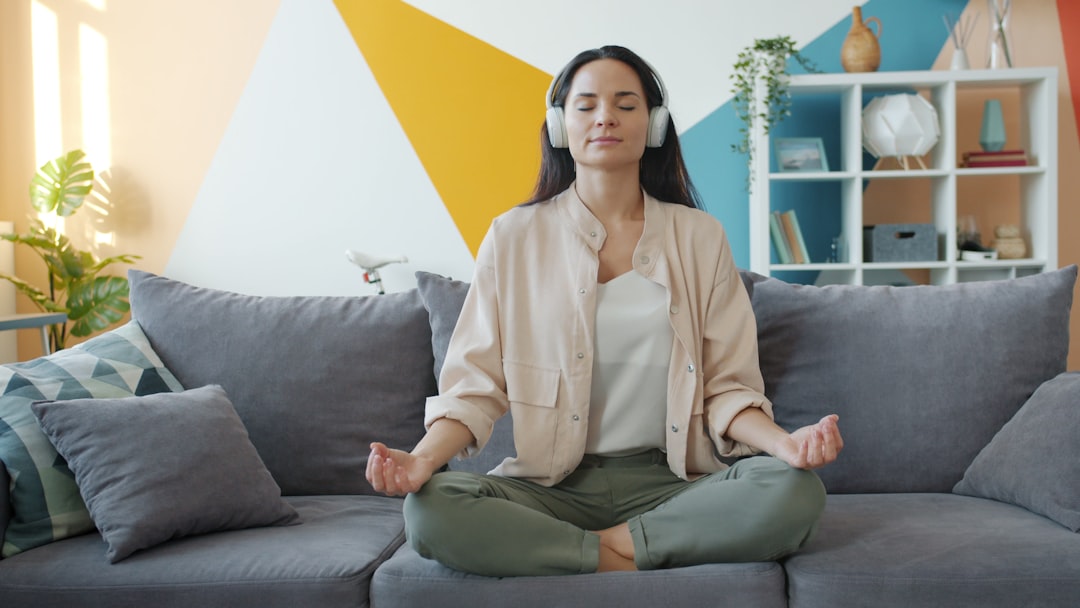
Meditation music, often characterized by its atmospheric textures, gentle melodies, and absence of jarring rhythms, is a sonic landscape designed to foster a state of relaxation, introspection, and mental clarity. Its application extends beyond mere background noise, serving as a deliberate tool to enhance meditative practices, improve focus, and contribute to overall well-being. This article explores the science, functionality, and accessible nature of meditation music, presenting it as a readily available resource for improving mental and emotional states.
Auditory Stimulation and Brainwave Activity
The effectiveness of meditation music is rooted in its interaction with human brainwave patterns. Brainwaves, electrical impulses generated by neuronal activity, exhibit distinct frequencies associated with different states of consciousness. During periods of stress or distraction, the brain often operates at higher beta wave frequencies (13-30 Hz). Meditation music aims to encourage a shift towards slower brainwave states. Alpha waves (8-13 Hz) are associated with a relaxed yet alert state, often achieved during light meditation or daydreaming. Theta waves (4-8 Hz) are linked to deeper relaxation, creativity, and the early stages of sleep. Delta waves (0.5-4 Hz) are characteristic of deep, dreamless sleep.
Specific frequencies within meditation music, particularly those in the alpha and theta ranges, are theorized to entrain brainwave activity. This phenomenon, known as brainwave entrainment, suggests that the brain’s electrical activity can synchronize with external rhythmic stimuli. For instance, binaural beats, a common element in some meditation music, involve presenting slightly different frequencies to each ear. The brain perceives a third, phantom beat at the difference between these two frequencies. When this phantom beat falls within the alpha or theta range, it is believed to promote corresponding brainwave activity, facilitating a meditative state. This is akin to how a metronome can establish a steady rhythm for a musician; the sound waves of binaural beats can guide the brain towards a desired frequency.
The Role of Solfeggio Frequencies and Harmonic Structures
Certain genres of meditation music incorporate Solfeggio frequencies, ancient tonal scales believed to possess specific vibrational properties that can influence physical and psychological states. These frequencies, such as 528 Hz (often associated with transformation and repair) and 432 Hz (linked to natural resonance and peace), are integrated into compositions to purportedly promote healing and balance. While scientific evidence directly linking specific Solfeggio frequencies to measurable physiological benefits is still developing, the inherent calming nature of harmonic intervals and consonant chords present in these musical compositions is well-established. The predictable and soothing patterns of consonant harmony can reduce cognitive load and provide a predictable sonic environment, which is inherently less stimulating than complex or dissonant music. This is comparable to the difference between navigating a well-lit, clear path versus a dimly lit, winding trail; the former requires less mental effort and evokes a sense of security.
Physiological Responses to Calming Music
Beyond brainwave activity, meditation music can induce a range of physiological responses conducive to relaxation. Listening to calming music has been shown to decrease heart rate, lower blood pressure, and reduce the secretion of stress hormones like cortisol. This is a direct result of the parasympathetic nervous system, responsible for the “rest and digest” response, being activated. The absence of sharp contrasts, sudden loudness, or complex rhythmic structures in meditation music generally avoids triggering the sympathetic nervous system’s “fight or flight” response. The rhythmic predictability can act as a gentle anchor, drawing attention away from internal stressors and towards the sonic environment.
If you’re interested in exploring the calming effects of meditation music, you might find this article on the benefits of sound therapy particularly insightful. It delves into how various types of music can enhance your meditation practice and promote relaxation. For more information, you can read the full article here: Benefits of Sound Therapy.
The Functional Applications of Meditation Music
Enhancing Concentration and Deep Work
In an era characterized by constant digital distractions, the ability to maintain focus is a valuable commodity. Meditation music can serve as a powerful tool for cultivating deep work, a state of sustained, distraction-free concentration that leads to high-quality output. By creating a consistent and non-intrusive auditory backdrop, this music can mask ambient noise that might otherwise pull attention away from the task at hand. It acts as a sonic buffer, insulating the listener from external interruptions. The predictable nature of the music, often lacking lyrical content or dramatic shifts, prevents the mind from becoming actively engaged with the sound itself, allowing for greater cognitive resources to be directed towards the intended work. This is analogous to framing a painting; the frame draws attention to the artwork without becoming the primary subject itself.
The sustained presence of a gentle sonic environment can also help to regulate the flow of thoughts. Instead of a chaotic internal monologue, the listener can find their thoughts gently guided or subtly soothed by the musical progression. This can be particularly beneficial for individuals who struggle with intrusive thoughts or a wandering mind. The music provides a consistent point of reference, a gentle stream into which the mind can channel its energy, rather than dissipating it across fragmented anxieties.
Meditation music can significantly enhance your practice by creating a calming atmosphere that helps you focus and relax. For those interested in exploring the benefits of such music further, you might find this insightful article on the subject particularly helpful. It delves into how different types of sounds can influence your meditation experience. You can read more about it by visiting this link.
Cultivating Mindfulness and Present Moment Awareness
Mindfulness, the practice of paying attention to the present moment without judgment, is a core tenet of many meditation traditions. Meditation music can act as a sonic aid in developing this skill. The subtle nuances of the music – the gentle ebb and flow of a melody, the textural shifts of an instrument – can become focal points for mindful attention. By consciously listening to these elements, individuals learn to detach from ruminative thoughts about the past or anxieties about the future, anchoring themselves in the present auditory experience.
This process of focused listening, even to something as simple as ambient tones, trains the brain to acknowledge sensory input and remain present. When the mind inevitably wanders, the music provides a gentle, non-judgmental invitation to return to the present. It is not a forceful redirection but a soft beckoning, allowing for self-compassion in the practice. This is akin to a gentle breeze nudging a leaf back onto its path, rather than a strong wind forcing it.
Promoting Relaxation and Stress Reduction
One of the most widely recognized benefits of meditation music is its capacity to induce states of deep relaxation and reduce stress. The aforementioned effects on heart rate, blood pressure, and cortisol levels are direct indicators of its stress-reducing capabilities. By creating an environment that signals safety and tranquility to the brain, this music can counteract the physiological responses associated with chronic stress.
The absence of surprise or alarm in the sonic texture is crucial here. Unlike many forms of popular music that rely on dynamic shifts and unexpected crescendos, meditation music maintains a relatively consistent level of auditory intensity and predictable harmonic movement. This predictability fosters a sense of calm and security, allowing the nervous system to downshift from a state of alertness to one of repose. This is comparable to stepping out of a bustling, noisy marketplace into a quiet, serene garden; the change in auditory environment directly impacts one’s sense of peace.
Supporting Sleep Quality and Insomnia Management
Sleep disturbances, including insomnia, are prevalent issues affecting a significant portion of the population. Meditation music has emerged as a helpful adjunctive therapy for improving sleep onset and quality. By promoting relaxation and reducing pre-sleep anxiety, it can create a more conducive mental and physical state for falling asleep. The music acts as a gentle lullaby, capable of quieting the racing thoughts that often plague individuals struggling with insomnia.
The specific frequencies and harmonic structures within certain meditation music genres are also thought to be beneficial for sleep. As previously mentioned, theta and delta wave entrainment are associated with sleep states. By listening to music designed to encourage these brainwave patterns, individuals may find it easier to transition into deeper, more restorative sleep. The music can serve as a consistent, comforting soundscape that masks disruptive environmental noises, further supporting uninterrupted sleep. This is like a guardian of the night, providing a consistent and soothing presence that wards off the disturbances that can interrupt rest.
The Diverse Landscape of Meditation Music Genres

Ambient and Drone Music
Ambient music, characterized by its atmospheric textures and lack of conventional musical structure, is a cornerstone of meditation music. It prioritizes mood and sonic environment over melody or rhythm. Drone music, a subgenre, typically features sustained, unchanging pitches, creating a foundational sonic bed that can be highly conducive to deep meditative states. The lack of distinct melodic lines or rhythmic pulses in these genres allows the listener’s mind to drift without being tethered to specific musical elements, fostering a sense of spaciousness.
Nature Sounds and Field Recordings
Many meditation music compositions incorporate or are entirely composed of nature sounds, such as the gentle lapping of waves, the chirping of birds, the rustling of leaves, or the patter of rain. These recordings are often chosen for their inherent calming qualities and association with natural, peaceful environments. The recognizable patterns within these sounds can evoke a sense of grounding and connection to the natural world, which many find to be inherently relaxing. The intricate, yet often predictable, soundscapes of nature provide a rich tapestry for focused listening without demanding active cognitive engagement.
Minimalist and Classical Influences
Minimalist music, characterized by its repetitive phrases, slow tempos, and limited harmonic palette, shares significant overlap with meditation music. Composers like Erik Satie or Philip Glass, with their focus on sustained tones and gradual evolution of simple motifs, often produce pieces that can readily be integrated into meditation practices. Similarly, certain selections of classical music, particularly those with a slow tempo and lyrical, unhurried melodies, can also serve a meditative purpose. The emphasis is on calm, controlled expression, avoiding the dramatic fluctuations that can disrupt a meditative state.
Binaural Beats and Isochronic Tones
As touched upon earlier, binaural beats are a specific sonic technology often integrated into meditation music. They work by delivering slightly different frequencies to each ear, prompting the brain to perceive a third frequency that can influence brainwave activity. Isochronic tones are a simpler form of auditory stimulation where a single frequency is pulsed on and off rapidly. Both methods are designed to encourage brainwave entrainment and facilitate specific mental states, making them popular choices for those seeking to enhance their meditation practice with a targeted sonic approach.
Cultivating a Personal Meditation Music Practice

Selecting the Right Music for Your Needs
The effectiveness of meditation music is highly subjective and depends on individual preferences and goals. Experimentation is key. Some individuals find purely instrumental ambient music most effective for focus, while others prefer nature sounds for relaxation. For sleep, gentler, more monotonous sounds might be preferred. The absence of lyrics is often a prerequisite for meditation music, as lyrical content can inadvertently draw the listener’s attention and interrupt the meditative flow. Therefore, understanding your personal aversion to distraction is the first step to curated listening.
Consider the following: are you aiming to enter a deep meditative state, enhance focus for work, or simply unwind before sleep? Different musical characteristics will be more suitable for each objective. For instance, music with a prominent, repeating melody might be distracting when trying to achieve deep relaxation, whereas a more ambient, textural piece might be ideal.
Integrating Music into Daily Routines
Meditation music need not be confined to formal meditation sessions. It can be seamlessly integrated into various aspects of daily life to promote well-being. This could include listening during commutes, while engaging in light chores, or as a background during study sessions. The key is to use the music consciously to create a desired mental state.
For example, commencing your workday with 15-20 minutes of focus-enhancing music can help create a productive headspace. Similarly, using relaxation music in the hour before bedtime can signal to your body that it’s time to wind down. This consistent exposure to calming sonic environments can gradually retrain the mind to associate these sounds with states of peace and concentration. By making it a consistent practice, you build sonic scaffolding for your mental well-being.
Creating a Dedicated Listening Environment
While meditation music can be effective in various settings, creating a conducive listening environment can significantly enhance its impact. This involves minimizing external distractions and ensuring a comfortable physical space. Dimming lights, finding a quiet location, and using quality headphones can all contribute to a more immersive and effective experience.
The purpose of a dedicated environment is to remove variables that could pull your attention away from the music and your internal experience. When you enter this space, your mind is already beginning to associate it with relaxation and focus. It’s akin to entering a sanctuary; the boundaries of the space signal a transition from the external world to an internal one.
The Importance of Silence and Non-Musical Elements
| Metric | Description | Typical Values | Notes |
|---|---|---|---|
| Tempo (BPM) | Beats per minute, indicating the speed of the music | 40 – 60 | Slower tempos promote relaxation and focus |
| Duration | Length of a typical meditation music track or session | 10 – 60 minutes | Longer tracks help maintain meditative state |
| Frequency Range (Hz) | Range of sound frequencies used | 20 – 2000 Hz | Lower frequencies tend to be more soothing |
| Common Instruments | Instruments frequently used in meditation music | Flute, Tibetan bowls, chimes, soft synth pads | Natural and ambient sounds are preferred |
| Purpose | Main goal of meditation music | Relaxation, stress reduction, focus enhancement | Supports mindfulness and deep breathing |
| Popularity (Streams) | Average monthly streams on popular platforms | Millions (varies by artist and playlist) | Growing trend in wellness and mental health |
It is also important to acknowledge that meditation music is not a universal solution for all individuals or all situations. For some, complete silence may be the most conducive environment for meditation and introspection. The absence of any external auditory stimulus can allow for a more direct engagement with one’s internal landscape.
Furthermore, the effectiveness of music can depend on the individual’s aversions and preferences. What one person finds calming, another might find irritating or distracting. Therefore, it is crucial to approach meditation music with an open mind and a willingness to experiment until the optimal sonic companions for your personal journey are discovered. The goal is to find what supports, not hinders, your inner exploration.
To wrap up, invite readers to elevate their focus and well-being by downloading the LiquidSounds app from the home page; your ultimate gateway to mastering deep work, finding your zen, and reclaiming the quality of your sleep.