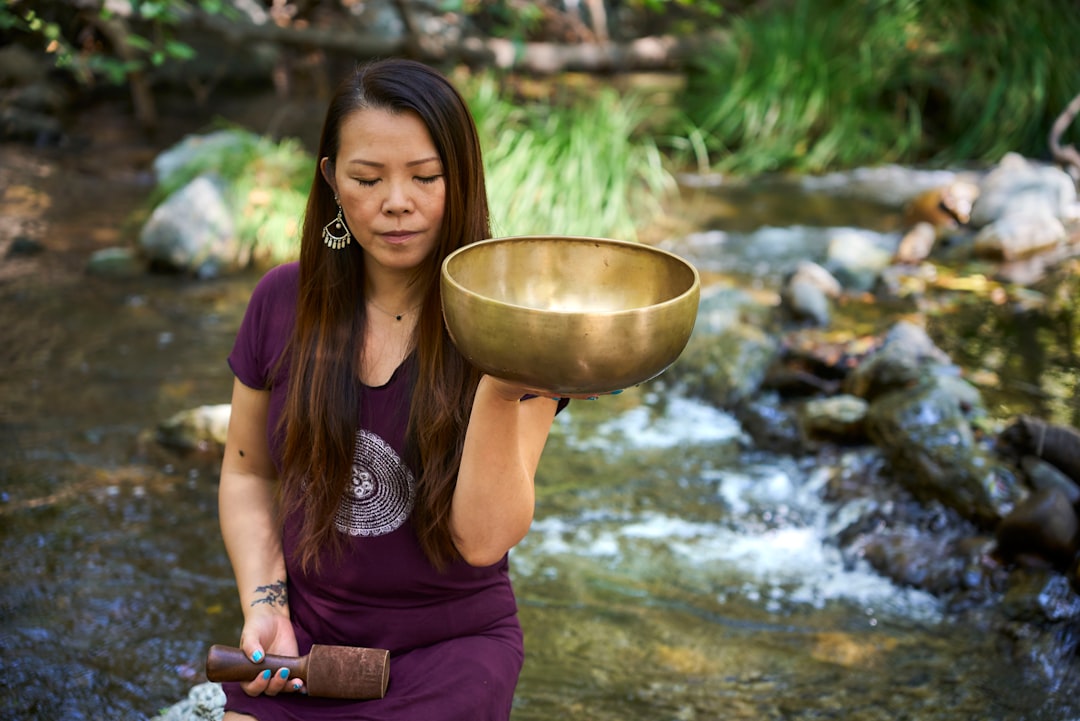
Tibetan singing bowls, with their rich, resonant tones, have been utilized for centuries in spiritual practices and healing traditions throughout Tibet and surrounding Himalayan regions. Their introduction to the Western world has sparked a growing interest in their therapeutic applications, particularly in the realm of meditation and stress reduction. This article will explore the principles behind Tibetan singing bowl meditation, its potential benefits for harmonizing mind and body, and practical guidance for engaging with this practice.
Origins and Traditional Use
The precise origins of Tibetan singing bowls are not definitively documented, but their association with Tibetan Buddhism is undeniable. These bowls are believed to have originated in Indo-Tibetan culture, potentially dating back over 2,000 years. Historically, they served multiple purposes within monastic and spiritual contexts.
- Monastic Rituals: Singing bowls were integral to Buddhist rituals, used to mark the beginning and end of periods of meditation, to signal transitions in chanting ceremonies, and as an aid to inducing altered states of consciousness conducive to contemplation. The sustained vibrations were thought to help focus the mind and create a sacred atmosphere.
- Spiritual Chanting: Monks would often use the bowls in conjunction with their chanting. The harmonious overtones produced by the bowls could deepen the meditative experience, promoting a sense of unity between the practitioners and their spiritual practice.
- Healing Practices: Beyond their use in formal religious ceremonies, singing bowls were also incorporated into traditional Tibetan healing practices. It was believed that the specific frequencies and vibrations could address imbalances within the body and mind, promoting physical and emotional well-being. This therapeutic application was often intertwined with broader concepts of energy flow and spiritual harmony.
The Metallurgy and Craftsmanship
The unique sonic qualities of Tibetan singing bowls are a direct result of their intricate construction and the specific alloys used in their creation. Traditionally, these bowls are handcrafted, a process that imbues each one with its individual character and tonal signature.
- Alloy Composition: While the exact recipes are often closely guarded secrets passed down through generations of artisans, Tibetan singing bowls are typically made from a blend of at least seven, and often more, metals. Common metals include copper, tin, zinc, iron, silver, gold, and nickel. The precise ratio of these metals influences the bowl’s resonance, sustain, and the richness of its overtones. Copper is usually the primary component due to its excellent acoustic properties.
- Hammering Technique: The creation of a singing bowl is a labor-intensive process involving skilled artisans who repeatedly heat and hammer a metal disc. This meticulous process of cold-hammering shapes the metal into the characteristic bowl form. The patterns of hammering, the density of the metal, and the final form all contribute to the bowl’s unique sound characteristics. Subtle variations in the hammering can affect the fundamental frequency, the harmonic overtones, and the decay of the sound.
- Tonal Diversity: Due to the artisanal nature of their creation, no two Tibetan singing bowls are precisely alike. Each bowl possesses a distinct fundamental tone and a complex array of overtones. This unique sonic fingerprint is influenced by the alloy, the hammering, and the overall shape and thickness of the bowl. This individual variability is a key aspect of their therapeutic appeal, as different bowls can resonate with different individuals on a personal level.
Tibetan singing bowl meditation is a practice that has gained popularity for its calming effects and ability to enhance mindfulness. For those interested in exploring this ancient technique further, a related article can provide valuable insights into its benefits and methods. You can read more about it in this informative piece on meditation practices and their impact on well-being. For additional details, visit this link.
The Science of Sound and Vibration: How Singing Bowls Influence Mind and Body
The efficacy of Tibetan singing bowls in promoting relaxation and well-being is rooted in the fundamental principles of acoustics and the human body’s response to sound and vibration. When a singing bowl is struck or rimmed, it generates sound waves that travel through the air and can also induce vibrations that are transmitted through physical contact or proximity.
Acoustic Principles and Resonance
The sound produced by a Tibetan singing bowl is not just a single note; it is a complex harmonic structure. This richness is a key factor in its meditative application.
- Fundamental Frequency and Overtones: Every singing bowl has a fundamental frequency, which is the primary note heard. However, it also produces a series of overtones, which are higher-frequency notes that are mathematically related to the fundamental. These overtones are crucial for the bowl’s characteristic rich and complex sound. The interaction of the fundamental frequency and its overtones creates a full, resonant sound that can be perceived as multifaceted and deeply engaging.
- Sympathetic Resonance: The human body is composed of approximately 70% water, making it an excellent conductor of sound and vibration. When exposed to the frequencies of a singing bowl, the body’s cells and organs can begin to vibrate in sympathy with the external sound. This phenomenon, known as sympathetic resonance, can help to reorganize disorganized cellular vibrations and promote a sense of internal harmony. Think of it like a tuning fork resonating with another when they are tuned to the same note; your body can similarly harmonize with the vibrations of the bowl.
- Entrainment: Sound frequencies have the capacity to influence brainwave activity. Brainwave entrainment is a process where the brain’s electrical activity naturally shifts to synchronize with the rhythm of an external stimulus, such as rhythmic sound. The steady, sustained tones of singing bowls can encourage the brain to shift from a more agitated state (beta waves) to a more relaxed state (alpha and theta waves), which are associated with meditation, creativity, and deep relaxation.
Physiological and Psychological Effects
The vibrations and sounds generated by Tibetan singing bowls have been observed to have tangible effects on both the physical and psychological states of individuals.
- Stress Reduction and Relaxation Response: The gentle, sustained tones of singing bowls can trigger the body’s natural relaxation response, counteracting the effects of stress. This involves a decrease in heart rate, blood pressure, and respiration rate. The nervous system shifts from the sympathetic “fight or flight” response to the parasympathetic “rest and digest” state, promoting profound calmness.
- Pain Management: Some anecdotal and preliminary research suggests that the vibrations from singing bowls may play a role in pain management. The theory is that the vibrations can disrupt pain signals, promote the release of endorphins (natural pain relievers), and increase blood flow to injured areas, aiding in the healing process. This is akin to how massage therapy uses pressure and movement to alleviate muscle tension and associated pain.
- Emotional Regulation and Mood Enhancement: The meditative state induced by singing bowl sessions can facilitate emotional release and processing. The calming effect of the sounds can help to reduce anxiety, alleviate feelings of depression, and promote a sense of emotional balance and well-being. By creating a space of inner quiet, the bowls can help individuals observe their emotions without being overwhelmed by them.
- Improved Focus and Mental Clarity: By clearing mental clutter and quieting the incessant internal dialogue, singing bowl meditation can enhance focus and cognitive function. The sustained sound acts as an anchor for attention, allowing the mind to settle and become more receptive to clear thinking. This can be particularly beneficial for individuals who struggle with distraction or procrastination.
Engaging with Tibetan Singing Bowl Meditation: Practical Approaches
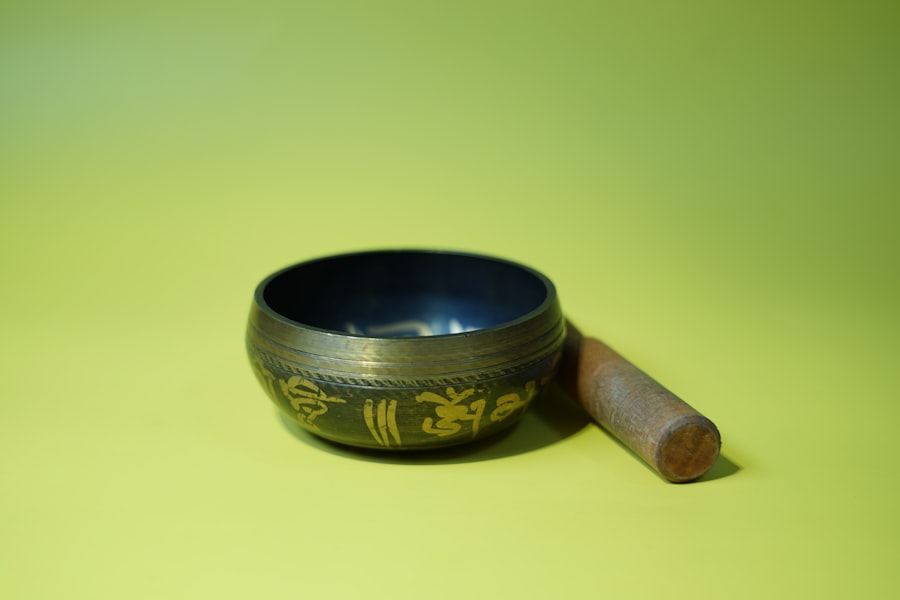
The practice of Tibetan singing bowl meditation is accessible to individuals of all backgrounds and levels of experience. It can be integrated into a personal meditation routine or experienced through guided sessions.
Solo Practice with Singing Bowls
For those wishing to incorporate singing bowls into their personal meditation practice, a few simple steps can guide the process.
- Selecting Your Bowl: The choice of a singing bowl is a personal one. Many practitioners recommend visiting a store that sells singing bowls and spending time listening to different bowls. Trust your intuition; the bowl that resonates most deeply with you is often the best choice. Consider the size, as larger bowls tend to produce lower tones and longer sustain, while smaller bowls can produce higher, brighter sounds.
- Setting the Environment: Create a quiet and comfortable space where you will not be disturbed. This could be a dedicated meditation corner, a quiet room, or even an outdoor setting. Ensure good ventilation and a comfortable temperature. The intention is to create a sanctuary for your practice.
- The Basic Technique: Begin by sitting or lying in a comfortable position. Gently strike the bowl with the mallet, or for a sustained sound, rub the rim of the bowl with the mallet in a continuous circular motion. Maintain an even pressure and speed. Pay attention to the sensations of the sound and vibrations.
- Focusing the Mind: As the sound fills the space, allow it to gently draw your attention. If your mind wanders, as it naturally will, simply acknowledge the thought and gently guide your awareness back to the sound of the bowl. You can visualize the sound waves washing over you, clearing away tension and mental chatter.
- Variations in Practice:
- Single Bowl Meditation: Focus on the sustained resonance of a single bowl, allowing its vibrations to permeate your being.
- Multiple Bowl Meditation: Utilize several bowls with different tones. You can strike them sequentially or allow them to resonate together, creating a more complex sonic landscape. This can be useful for exploring different emotional states or energetic centers.
- Sound Bath: This involves lying down while a practitioner plays multiple singing bowls around and sometimes on your body. The experience is deeply immersive and is designed to facilitate profound relaxation.
Guided Meditations and Sound Baths
For individuals new to singing bowls or those seeking a more immersed experience, guided meditations and sound baths offer valuable opportunities.
- The Role of a Facilitator: In guided singing bowl meditations and sound baths, a facilitator uses their expertise to select bowls, guide the meditation, and manage the sonic experience. They are trained to interpret the energetic qualities of the bowls and to lead participants through a journey of sound and vibration.
- Benefits of Guided Sessions: Guided sessions can provide a structured and supportive environment for new practitioners. The facilitator can direct attention to specific areas of the body, offer visualizations, and provide gentle verbal cues to deepen the meditative state. Sound baths, in particular, can be a powerful way to experience the full therapeutic potential of singing bowls without needing to actively engage in the playing technique.
- Finding Qualified Practitioners: When seeking guided sessions, it is advisable to look for practitioners with experience and training in sound healing or meditation with Tibetan singing bowls. Reviews and testimonials can offer insight into their approach and effectiveness.
Potential Benefits Beyond Relaxation: A Holistic Approach to Well-being
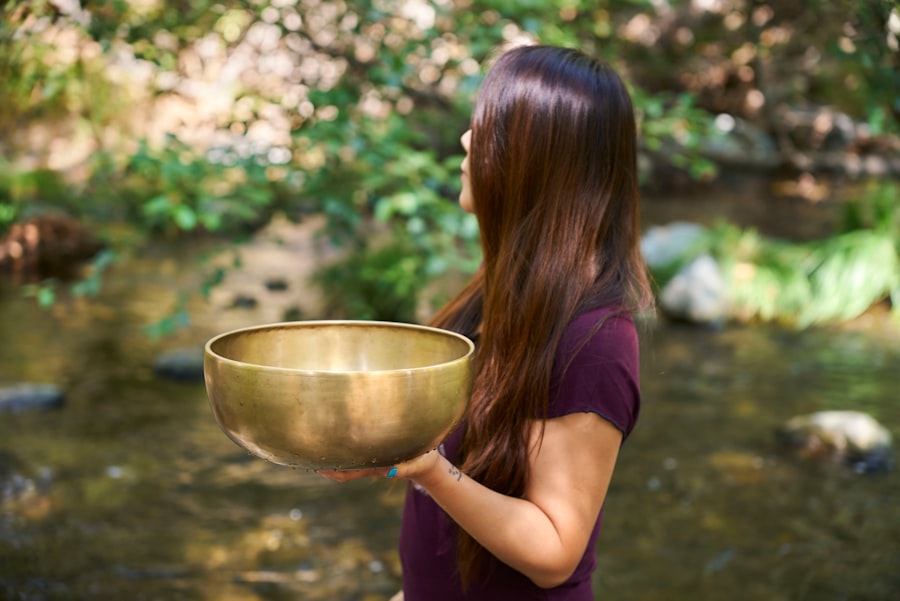
The application of Tibetan singing bowls extends beyond immediate stress reduction, offering a pathway to deeper self-awareness and enhanced overall well-being. The practice can act as a catalyst for profound shifts when approached with intention and consistency.
Fostering Inner Peace and Emotional Resilience
The consistent engagement with the calming frequencies of singing bowls can cultivate a more resilient emotional state.
- Cultivating Mindfulness: The practice inherently encourages mindfulness. By focusing on the present moment through the sound of the bowls, individuals develop a greater capacity to observe their thoughts and emotions without judgment. This mindful awareness is a cornerstone of emotional regulation.
- Processing and Releasing Emotions: The vibrations can act as a gentle release mechanism for accumulated emotional tension. Stress, anxiety, and past traumas can be held within the body, and the resonant frequencies of the bowls can help to dislodge these energetic blockages, facilitating a sense of emotional catharsis.
- Promoting a Sense of Connection: The experience of shared meditation with singing bowls, whether in a group setting or through a shared appreciation of their sonic qualities, can foster a sense of connection to oneself and to others. This can counter feelings of isolation and promote a sense of belonging.
Enhancing Sleep Quality and Restorative Rest
The ability of singing bowls to induce deep relaxation makes them a valuable tool for improving sleep.
- Preparing the Mind for Sleep: A short meditation session with singing bowls before bedtime can help to quiet a racing mind, dissipate the day’s worries, and prepare the body for restful sleep. The transition from a state of alertness to a state of deep relaxation is facilitated.
- Deepening Sleep States: The brainwave entrainment effect can encourage the brain to enter deeper sleep stages more readily. This can lead to more restorative and rejuvenating sleep cycles, leaving individuals feeling more refreshed and energized upon waking.
- Addressing Sleep Disruptions: For individuals struggling with insomnia or frequent awakenings, the calming influence of singing bowls can provide a consistent method for easing into and maintaining sleep.
Supporting Personal Growth and Self-Discovery
Tibetan singing bowls can serve as a gentle guide on a journey of self-discovery.
- Accessing Intuition: The quietude fostered by singing bowl meditation can create space for inner wisdom and intuition to surface. With a less cluttered mind, individuals may find it easier to access their inner guidance and make clearer decisions.
- Increased Self-Awareness: As emotional blockages are released and the mind becomes clearer, individuals often gain a deeper understanding of their own patterns, beliefs, and aspirations. This heightened self-awareness is foundational for personal growth.
- Creative Expression: The relaxed and open state of mind that singing bowl meditation can cultivate is often conducive to enhanced creativity. New ideas and solutions may emerge more readily when the mind is free from the constraints of stress and self-doubt.
Tibetan singing bowl meditation has gained popularity for its ability to promote relaxation and mindfulness, making it a valuable practice for those seeking inner peace. For those interested in exploring this ancient technique further, you might find the insights in this related article particularly enlightening, as it delves into the therapeutic benefits and the history behind these unique instruments. Engaging with such resources can deepen your understanding and enhance your meditation experience.
Integrating Singing Bowl Meditation into Daily Life: Consistency and Intention
| Metric | Value | Unit | Description |
|---|---|---|---|
| Average Session Duration | 20-30 | minutes | Typical length of a Tibetan singing bowl meditation session |
| Frequency Range | 110-440 | Hz | Common frequency range of Tibetan singing bowls used in meditation |
| Stress Reduction | 30-40 | % | Average reported decrease in stress levels after meditation sessions |
| Heart Rate Variability Increase | 15-25 | % | Improvement in heart rate variability indicating relaxation |
| Common Materials | 7 Metals | N/A | Traditional Tibetan singing bowls are made from a combination of seven metals |
| Typical Bowl Diameter | 15-30 | cm | Size range of singing bowls used for meditation |
| Chakra Alignment | 7 | chakras | Number of chakras often targeted during Tibetan singing bowl meditation |
To truly harness the transformative potential of Tibetan singing bowl meditation, a consistent and intentional approach is key. The practice is not about achieving a perfect state of stillness, but rather about cultivating a habit of mindful engagement with sound and vibration.
Establishing a Regular Practice
Consistency is more impactful than sporadic, intense sessions. Even short, regular practices can yield significant benefits.
- Start Small: If you are new to meditation, begin with just 5-10 minutes of singing bowl practice daily. As you become more comfortable, you can gradually increase the duration.
- Schedule Your Practice: Treat your meditation time as an important appointment. Dedicate a specific time each day, whether it’s first thing in the morning to set a calm tone for the day, during a lunch break to de-stress, or before bed to unwind.
- Be Flexible: Life is unpredictable. If you miss a scheduled session, don’t let it derail your practice. Simply return to it as soon as possible. The goal is progress, not perfection.
Approaching the Practice with Intention
The mindset with which you approach singing bowl meditation plays a crucial role in its effectiveness.
- Set Clear Intentions: Before you begin, consider what you hope to achieve. Are you seeking relaxation, clarity, emotional release, or improved sleep? Holding a clear intention can help to focus your practice.
- Cultivate Patience: Remember that transformation is a process. Be patient with yourself and with the practice. Some days may feel more profound than others, and that is perfectly normal.
- Mindful Engagement: Approach each session with an open mind and a willingness to simply be present with the experience. Avoid striving for a particular outcome. Allow the sounds and vibrations to guide you.
Advanced Practices and Further Exploration
As your familiarity with singing bowls grows, you may wish to explore more advanced techniques or integrate them with other modalities.
- Chakra Balancing: Specific singing bowls are believed to resonate with different energy centers (chakras) within the body. Experiment with playing bowls corresponding to particular chakras to promote energetic balance. Research into the perceived resonant frequencies of different chakras is available to guide this exploration.
- Combining with Other Modalities: Singing bowls can be effectively combined with other mindfulness practices such as yoga, breathwork, or gentle stretching. The sounds can enhance the meditative aspects of these activities.
- Building Your Own Collection: For dedicated practitioners, building a personal collection of singing bowls with varying tones and characteristics can offer a richer and more versatile practice.
Tibetan singing bowl meditation offers a profound and accessible pathway to harmonizing mind and body. By understanding their historical roots, the science of sound and vibration, and practical methods of engagement, individuals can unlock a powerful tool for stress reduction, emotional resilience, enhanced sleep, and deeper self-awareness. As you embark on this sonic journey, remember that the most potent path forward is one of consistent intention and an open heart to the transformative power of sound.
To wrap up, invite readers to elevate their focus and well-being by downloading the LiquidSounds app from the home page; your ultimate gateway to mastering deep work, finding your zen, and reclaiming the quality of your sleep.