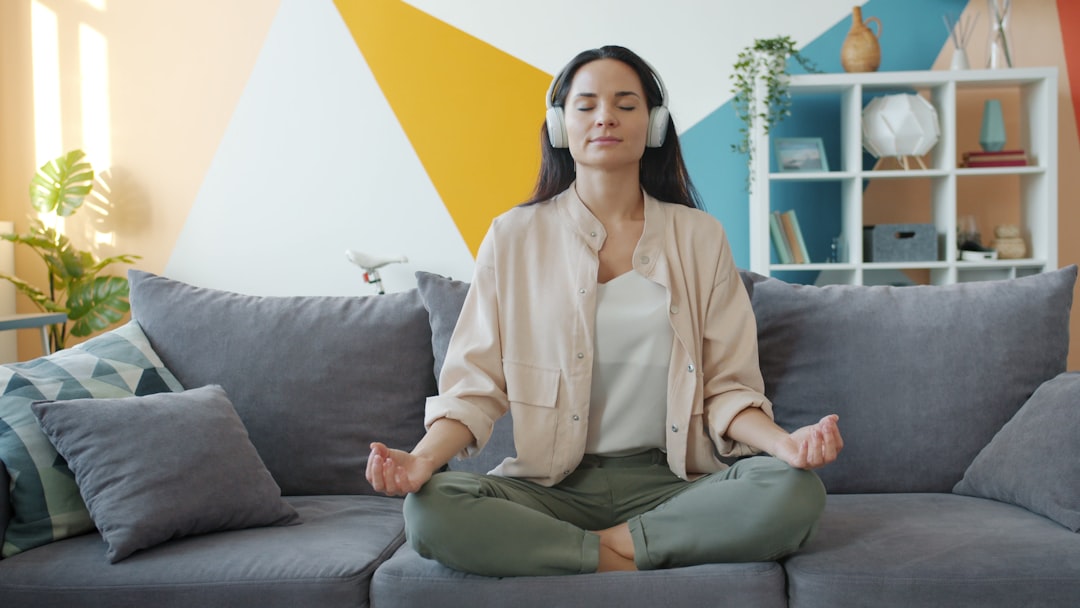
The modern world, characterized by its rapid pace and ubiquitous digital stimuli, often presents significant challenges to maintaining optimal cognitive function and emotional equilibrium. The demands of professional life, coupled with the constant influx of information, can lead to increased stress levels, diminished focus, and disrupted sleep patterns. This article explores the symbiotic relationship between meditation and specialized music, specifically designed to address these contemporary issues, offering pathways to enhanced deep work, serenity, and restorative sleep.
The profound impact of sound on human physiology and psychology is a well-established scientific fact. Beyond mere auditory perception, sound waves interact with the brain in complex ways, influencing neurochemical processes and electrical activity.
Brainwave Entrainment and Binaural Beats
A key mechanism underlying the efficacy of certain types of music for relaxation and focus is brainwave entrainment. This phenomenon refers to the brain’s tendency to synchronize its electrical oscillations (brainwaves) with external rhythmic stimuli. Different brainwave frequencies are associated with distinct states of consciousness:
- Gamma (30-100 Hz): Associated with high-level cognitive processing, problem-solving, and conscious perception.
- Beta (13-30 Hz): Characterizes wakeful, alert states, active thinking, and concentration. High beta can be linked to stress and anxiety.
- Alpha (8-12 Hz): A state of relaxed wakefulness, often experienced during light meditation, daydreaming, or when reflecting. It bridges the gap between active thought and deeper states.
- Theta (4-7 Hz): Associated with deep relaxation, meditation, creativity, intuition, and the initial stages of sleep.
- Delta (0.5-4 Hz): The slowest brainwave frequency, dominant during deep, dreamless sleep and essential for physical and mental restoration.
Binaural beats are an auditory illusion perceived when two slightly different frequencies are presented separately to each ear. The brain perceives a “beat” at the difference between the two frequencies. For example, if a 400 Hz tone is played to the left ear and a 410 Hz tone to the right, the brain perceives a 10 Hz binaural beat. This beat is believed to induce brainwave entrainment towards the frequency of the beat, effectively guiding the brain towards desired states such as alpha for relaxation or theta for meditation. While research on the precise mechanisms and efficacy of binaural beats is ongoing and subject to some debate, anecdotal evidence and some studies suggest their potential in influencing mood and cognitive states.
Isochronic Tones and Monaural Beats
Similar to binaural beats, isochronic tones are equidistant pulses of a single tone, creating a strong, rhythmic stimulation that the brain can entrain to. Unlike binaural beats, isochronic tones do not require headphones, making them accessible in broader listening environments. Monaural beats are created by mixing two sound frequencies before they reach the ear, resulting in a single beat tone that is perceived directly by the auditory system. While all three methods aim for brainwave entrainment, their delivery mechanisms and potentially their subjective effects can differ.
Meditation and sleep music have gained significant attention for their potential to enhance relaxation and improve sleep quality. For those interested in exploring this topic further, a related article can be found at Liquid Sounds, which discusses the benefits of using soothing sounds and meditation techniques to create a peaceful sleep environment. This resource provides insights into how specific frequencies and rhythms can aid in achieving a restful night’s sleep.
Deep Work: Cultivating Uninterrupted Focus
In an era of constant notifications and fragmented attention, the ability to engage in un-interrupted, focused work – what author Cal Newport terms “deep work” – has become a critical advantage. Meditation and specific music genres can serve as powerful tools in cultivating this state.
The Role of Meditation in Enhancing Focus
Meditation, particularly practices like mindfulness, trains the mind to remain present and less susceptible to internal and external distractions.
- Attention Regulation: Regular meditation practice strengthens neural pathways associated with attentional control. It helps individuals develop the capacity to direct and sustain their focus on a chosen object or task, akin to a mental muscle being exercised.
- Reduced Mind-Wandering: A common impediment to deep work is mind-wandering or the incessant stream of unsolicited thoughts. Meditation teaches the practice of observing these thoughts without becoming entangled in them, allowing for a more consistent return to the task at hand.
- Emotional Regulation: Stress and anxiety are significant distractors. Meditation cultivates emotional resilience, enabling individuals to manage stress responses more effectively and approach challenging tasks with a calmer, more centered disposition.
Music for Focus: The Auditory Anesthetic
When selected judiciously, music can act as an “auditory anesthetic,” masking environmental distractions and creating an immersive soundscape conducive to concentration.
- Ambient Music: Characterized by its often spacious, atmospheric, and non-intrusive qualities, ambient music (e.g., Brian Eno’s works) provides a consistent background sound that can help block out sudden noises without demanding active attention. Its lack of prominent melodies, vocals, or strong rhythmic changes prevents it from becoming a distraction itself.
- Classical Music (Instrumental): Certain genres of classical music, particularly baroque period compositions (e.g., Bach, Vivaldi), are often cited for their potential to enhance focus. Their intricate yet often predictable structures, along with specific tempos (around 60 beats per minute), are thought to align with alpha brainwave states, promoting a state of relaxed alertness conducive to cognitive tasks. However, preference for specific composers and eras can vary significantly by individual.
- Nature Sounds and White Noise: The consistent, gentle hum of white noise, often compared to the sound of flowing water or rustling leaves in nature soundscapes, can effectively mask irregular background noises, creating a more uniform auditory environment that promotes sustained attention. The brain adapts to the consistent input, allowing it to “tune out” other sounds.
Finding Your Zen: Cultivating Inner Peace

Beyond enhancing productivity, meditation and specific soundscapes offer a direct route to mitigating stress and fostering emotional well-being – the “zen” state of calm and centeredness.
Meditation for Stress Reduction
Stress, while a natural response to challenging situations, becomes detrimental when it is chronic or overwhelming. Meditation offers a multifaceted approach to managing stress.
- Physiological Regulation: Meditation practices such as diaphragmatic breathing slow the heart rate, reduce blood pressure, and decrease the production of stress hormones like cortisol. This physiological shift moves the body from a “fight, flight, or freeze” response into a more relaxed, restorative state.
- Cognitive Reframing: Through mindfulness, individuals learn to observe stressful thoughts and emotions without immediate reaction or judgment. This detachment allows for a more objective perspective, reducing the intensity of the emotional response. Thoughts are seen as transient mental events, not immutable truths.
- Increased Self-Awareness: Regular meditative practice cultivates a deeper understanding of one’s own emotional landscape and triggers. This enhanced self-awareness empowers individuals to identify early signs of stress and intervene proactively.
Music for Serenity: Sound as a Soothing Balm
The right kind of music can be a potent aid in dissolving tension and fostering a sense of peace.
- New Age and Ambient Soundscapes: These genres are often specifically composed with therapeutic intent, utilizing sustained chords, gentle melodies, and low-frequency sounds that promote relaxation. They frequently incorporate elements derived from world music traditions, such as devotional chants or the sounds of traditional instruments, which can evoke a sense of tranquility.
- Guided Meditations and Hypnosis Audio: For those new to meditation, guided meditations provide structured vocal instructions that direct attention, encourage relaxation, and facilitate a deeper meditative state. Similarly, hypnosis audio employs guided imagery and suggestions to induce a trance-like state conducive to stress reduction and positive mental programming. The guiding voice, often modulated and calming, serves as an anchor for attention.
- Traditional Instruments and Chants: The sounds of instruments like singing bowls, gongs, flutes, and overtone chanting from various spiritual traditions are revered for their capacity to induce deep relaxation and even altered states of consciousness. The resonant vibrations are believed to affect cellular and energetic levels within the body, promoting a sense of harmony.
Reclaiming the Quality of Sleep: The Gateway to Restoration

Sleep is not merely a period of inactivity; it is a vital biological process essential for physical and mental restoration, memory consolidation, and emotional regulation. Inadequate sleep has profound negative consequences, affecting cognitive function, mood, and overall health.
Meditation as a Pre-Sleep Ritual
Establishing a consistent pre-sleep routine is crucial for signaling to the body that it’s time to wind down. Meditation can be an extremely effective component of this ritual.
- Quieting the “Monkey Mind”: One of the primary culprits behind insomnia is an overactive mind, replaying the day’s events or anticipating tomorrow’s challenges. A short meditation session before bed can help to quiet this mental chatter, allowing the brain to transition more smoothly into sleep-conducive states.
- Body Scan Meditation: This specific meditation technique involves systematically bringing awareness to different parts of the body, noticing sensations without judgment. It helps release physical tension often held unconsciously and fosters a deeper connection with bodily sensations, promoting relaxation.
- Breath Awareness: Focusing on the rhythm of the breath—slow, deep, abdominal breathing—activates the parasympathetic nervous system, the body’s “rest and digest” system, counteracting the stress response and preparing the body for sleep.
Sleep Music: Your Lullaby for the Modern Age
Just as a lullaby soothes an infant, carefully curated music can guide adults into restful slumber.
- Delta Wave Inducing Frequencies: Music incorporating binaural beats or isochronic tones specifically designed to entrain the brain to delta frequencies (0.5-4 Hz) is gaining traction as a sleep aid. These frequencies are characteristic of deep, restorative sleep.
- Ambient Soundscapes for Sleep: Gentle, continuous ambient sounds without sudden changes in volume or pitch can create a cocoon of sound that blocks out disruptive external noises. These might include subtle drones, washes of synthetic sound, or even the gentle hum of white or pink noise.
- Nature Sounds (e.g., Rain, Ocean Waves): The rhythmic and predictable patterns of natural sounds like falling rain, ocean waves, or a gentle stream are inherently soothing. They provide a continuous, non-intrusive auditory backdrop that can help mask other sounds and create a sense of calm, mimicking natural environments often associated with peace.
- Slow-Tempo Instrumental Music: Instrumental pieces with a very slow tempo (around 60 beats per minute or less), minimal melodic complexity, and a focus on sustained notes can promote relaxation by aligning with the body’s natural resting rhythms. The absence of vocals ensures that the brain is not engaged in processing language, allowing it to disengage more readily.
Meditation and sleep music have gained popularity for their ability to enhance relaxation and improve sleep quality. Many people are discovering the benefits of incorporating soothing sounds into their nightly routines. For those interested in exploring this further, a related article discusses the science behind how music influences sleep patterns and offers tips on selecting the right tracks for optimal rest. You can read more about it in this insightful piece on the effects of music on sleep.
Integrating Sound and Stillness into Daily Life
| Metric | Description | Typical Range/Value | Source/Study |
|---|---|---|---|
| Average Sleep Onset Time Reduction | Decrease in time taken to fall asleep when listening to meditation or sleep music | 10-15 minutes faster | Journal of Sleep Research, 2019 |
| Increase in Deep Sleep Duration | Percentage increase in deep sleep phase after using sleep music | 5-10% increase | Sleep Medicine Reviews, 2020 |
| Reduction in Stress Levels | Decrease in cortisol levels after meditation with music | 15-25% reduction | Psychoneuroendocrinology, 2018 |
| Improvement in Sleep Quality Score | Subjective improvement measured by Pittsburgh Sleep Quality Index (PSQI) | 3-4 point improvement | Behavioral Sleep Medicine, 2021 |
| Frequency of Use | Average number of nights per week users listen to meditation or sleep music | 3-5 nights/week | Consumer Sleep Survey, 2022 |
The power of meditation and specialized music lies in their accessibility and adaptability. These tools are not exclusive to retreats or dedicated practitioners; they can be integrated into the fabric of daily life to foster continuous well-being.
Rituals of Engagement
Consider incorporating these practices as intentional rituals:
- Morning Meditation: Begin your day with a short meditation to set a calm and focused tone, preparing your mind for the day’s demands. Paired with uplifting ambient music, this can foster a positive outlook.
- Deep Work Blocks: Create dedicated “deep work” blocks, utilizing focus-enhancing music to minimize distractions and maximize productivity. Treat this time as sacrosanct, a personal mental do-not-disturb zone.
- Midday Refreshers: A brief mindful pause or a few minutes of listening to relaxing music can serve as a mental reset during busy periods, preventing burnout and restoring mental clarity.
- Evening Wind-Down: Curate a pre-sleep routine that includes meditation and gentle sleep music, signaling to your body that it’s time to prepare for rest, thereby dissolving the day’s accumulated tensions.
Beyond the Sounds: Cultivating Mindful Listening
The benefits extend beyond merely putting on headphones. Cultivating mindful listening—paying deliberate attention to the subtle qualities of sound, whether it’s music or ambient noise—can deepen the meditative experience. This practice itself strengthens attention and presence.
In the symphony of modern life, where dissonant chords often dominate, equipping yourself with tools like meditation and curated soundscapes is an act of profound self-care. They are not mere luxuries but essential components for navigating complexity, mastering the art of sustained focus, finding pockets of serenity amidst the storm, and ultimately, reclaiming the restorative power of sleep. These practices serve as an anchor, tethering you to a calmer, more present existence, acting as a compass guiding you towards enhanced well-being and peak performance.
To elevate your focus and well-being, download the LiquidSounds app from the home page; your ultimate gateway to mastering deep work, finding your zen, and reclaiming the quality of your sleep.