
The resonant hum of Tibetan singing bowls has long been associated with practices aimed at achieving inner calm and mental clarity. Originating from the ancient traditions of Tibet, these bowls are not merely musical instruments but potent tools utilized in meditation to cultivate states of deep relaxation and focus. This article explores the nature of Tibetan bowls meditation, its historical context, the principles behind its efficacy, and how individuals can incorporate it into their lives to enhance well-being.
To conclude, we invite you to elevate your focus and well-being by downloading the LiquidSounds app from the home page; your ultimate gateway to mastering deep work, finding your zen, and reclaiming the quality of your sleep.
The genesis of Tibetan singing bowls is deeply interwoven with the spiritual and cultural landscape of the Himalayan region. While their precise origins are somewhat shrouded in the mists of time, it is widely accepted that their use dates back to pre-Buddhist Tibetan shamanistic traditions, known as Bön. These early practices likely involved sound for ritualistic purposes, a tradition that was later integrated and refined within the Buddhist monastic system. The bowls themselves are traditionally handcrafted, a process that imbues them with unique characteristics.
Metallurgical Foundations and Traditional Alloys
The bowls are typically forged from a combination of metals, often described as a “seven-metal alloy.” While the exact composition can vary between different artisans and regions, common metals include copper, tin, zinc, iron, nickel, silver, and gold. Each metal contributes distinct vibrational frequencies and harmonic overtones when struck or rubbed. Copper, being a primary component, is valued for its conductivity and ability to produce a sustained, pure tone. The precise proportions and the method of smelting and hammering are considered proprietary secrets passed down through generations of craftspeople. This meticulous approach to metalwork is not merely about acoustics; it is believed to imbue the bowls with specific energetic properties that resonate with the human body and mind. The act of creating these bowls is itself a meditative and devotional process for the artisans, contributing to the perceived spiritual quality of the finished product.
Hand-Hammered Craftsmanship and Unique Characteristics
The distinctive sound of a Tibetan singing bowl is a direct result of its hand-hammered construction. Smiths begin with a flat metal disc, which is then heated and repeatedly hammered and shaped over an anvil. This laborious process, performed with great skill and intention, gradually forms the bowl’s characteristic shape and rim. The hammering not only influences the sonic qualities but also creates subtle imperfections and variations that make each bowl unique. Unlike mass-produced instruments, no two hand-hammered Tibetan singing bowls are precisely alike in terms of their size, thickness, lip, or the resulting sound profile. This individuality is often seen as contributing to their efficacy, as it is believed that each bowl possesses its own inherent frequency that can interact with the individual’s energetic field.
Symbolism and Spiritual Significance within Tibetan Culture
Beyond their acoustic properties, Tibetan singing bowls are steeped in symbolism and hold significant spiritual meaning within Tibetan culture. They are often associated with the five elements: earth, water, fire, air, and space. The bowls themselves can be seen as representing these elements, and their resonant tones are thought to help balance and harmonize these energies within the individual and their environment. In monastic settings, they have been used in a variety of rituals, including chanting, offerings, and as instruments for calling monks to prayer or meditation. The sound is considered a vehicle for transcending the material world and connecting with the divine.
Tibetan bowls meditation has gained popularity for its soothing sounds and therapeutic benefits, making it an intriguing subject for those seeking mindfulness and relaxation. For further insights into the practice and its effects on mental well-being, you can explore this related article that delves deeper into the benefits and techniques of using Tibetan bowls in meditation. To read more, visit this link.
The Mechanics of Sound: How Tibetan Bowls Mediate Relaxation and Focus
The therapeutic and meditative effects of Tibetan singing bowls are rooted in the physics of sound and vibration, coupled with psychological responses. The sound produced by these bowls is not just heard; it is felt. The vibrations propagate through the air and, when in close proximity, can be transmitted directly to the body, creating a form of tactile and auditory stimulation that engages multiple sensory pathways. This multifaceted engagement is key to their ability to induce a state of profound relaxation and enhance mental focus.
Harmonic Resonance and Binaural Beats
The unique timbres of Tibetan singing bowls are characterized by a rich spectrum of overtones. When a bowl is struck or its rim is rubbed, it produces not only a fundamental frequency but also multiple harmonic overtones, creating complex and layered sounds. These overtones are crucial for the bowls’ ability to induce altered states of consciousness. Furthermore, the simultaneous presence of different frequencies can, in some instances, approximate the effect of binaural beats. Binaural beats occur when two slightly different frequencies are presented to each ear, and the brain perceives a third, phantom beat at the difference between the two. This phenomenon is believed to entrain brainwave activity, guiding the brain towards specific states, such as alpha (relaxation) or theta (deep meditation). While not all Tibetan bowl sounds are engineered to produce distinct binaural beats, the complex harmonic structures can facilitate similar neurological shifts.
Entrainment of Brainwaves and Physiological Responses
The sound vibrations from Tibetan singing bowls can act as external stimuli that encourage the brain to synchronize its electrical activity, a process known as brainwave entrainment. When exposed to consistent rhythmic sounds, the brain’s natural oscillations can begin to mimic the external tempo. For instance, listening to the steady hum of a singing bowl can encourage a shift from beta brainwaves (associated with active thinking and alertness) to alpha brainwaves (associated with relaxed awareness) or even theta brainwaves (associated with deep meditative states and creativity). This shift in brainwave activity is accompanied by measurable physiological changes, including a slowing of heart rate, a decrease in respiration rate, a reduction in blood pressure, and the release of endorphins, the body’s natural mood elevators. These physiological responses are indicative of the body entering a state of deep relaxation and stress reduction.
The Mind’s Response: Quieting the Inner Dialogue
For the practitioner, the sustained and evolving tones of Tibetan singing bowls provide a powerful anchor for the mind. In our daily lives, the mind is often a whirlwind of thoughts, worries, and to-do lists – the incessant chatter of the “monkey mind.” The immersive soundscape created by the bowls gently redirects attention away from this internal dialogue. The brain, presented with a complex and absorbing auditory experience, finds it easier to disengage from habitual thought patterns. The practitioner’s attention naturally becomes drawn to the nuances of the sound, the rise and fall of the tones, and the subtle vibrations. This focused engagement effectively creates space between the observer and the immediate stream of thoughts, cultivating a sense of presence and stillness.
The Practice of Tibetan Bowls Meditation: A Step-by-Step Introduction

Engaging with Tibetan singing bowls for meditation is a practice accessible to individuals regardless of prior experience. The core principle involves using the sound and vibration of the bowls to guide the mind into a state of deep relaxation and present-moment awareness. While there are many variations and traditions, a foundational approach can be adopted by any individual seeking to explore this practice.
Preparing Your Sacred Space and Selecting Your Bowls
Before beginning a meditation session, it is beneficial to establish a conducive environment. This involves creating a quiet and comfortable space where you will not be disturbed. Ensure the temperature is pleasant and that you have a comfortable posture, whether seated on a cushion, on a chair, or lying down. If you have multiple bowls, consider which ones you wish to use. Different bowls, with their unique pitches and timbres, can evoke different feelings or energies. Some practitioners prefer using a smaller bowl for initial grounding, progressing to larger bowls for deeper resonance, while others might use a single bowl throughout their practice. The selection of bowls can be intuitive, guided by what sounds and feels most appealing to you at that moment.
The Act of Sounding: Striking and Rimming the Bowls
The primary method of producing sound from a Tibetan singing bowl involves either striking it or rubbing its rim. To strike the bowl, use a felt-covered mallet. A gentle but firm strike is usually sufficient to elicit a clear tone. Avoid striking too hard, which can produce a jarring sound, or too softly, which may not generate enough resonance. For rimming, apply a rubber-tipped striker against the outer edge of the bowl. Rotate the striker smoothly and consistently around the rim, maintaining even pressure. This action creates a sustained, continuous humming sound. The speed and pressure of the rimming can be adjusted to alter the intensity and harmonic complexity of the sound. Experimentation is key to discovering the most pleasing and resonant technique for each bowl.
Focusing Your Attention on Sound and Sensation
As the sound emerges, the meditation begins. The most common approach is to direct your attention to the sound itself. Listen to its rise, its sustain, and its eventual fading. Pay attention to the quality of the tone, the overtones that emerge, and the subtle shifts in its character. Alongside listening, become aware of the physical sensations. Notice the vibrations that may emanate from the bowl, or, if the bowl is placed on your body (a practice for more experienced users), feel the vibrations resonate through your tissues and bones. This dual focus on auditory and somatic experience helps to ground you in the present moment. When your mind wanders, as it inevitably will, gently guide your attention back to the sound and the sensations without judgment.
Integrating Silence and Breathwork
The moments of silence between the bowls’ sounds are as significant as the sounds themselves. These intervals allow the residual vibrations to settle and provide a space for deeper introspection. During these periods, you can naturally deepen your breath, allowing it to become slower and more rhythmic. The breath serves as another anchor for awareness, complementing the auditory focus. Some practitioners incorporate conscious breathwork, such as diaphragmatic breathing, to further enhance the relaxation response. The interplay between the bowl’s sound, the breath, and the ensuing silence creates a rich and dynamic meditative experience.
Therapeutic Applications: Beyond Relaxation and into Well-being
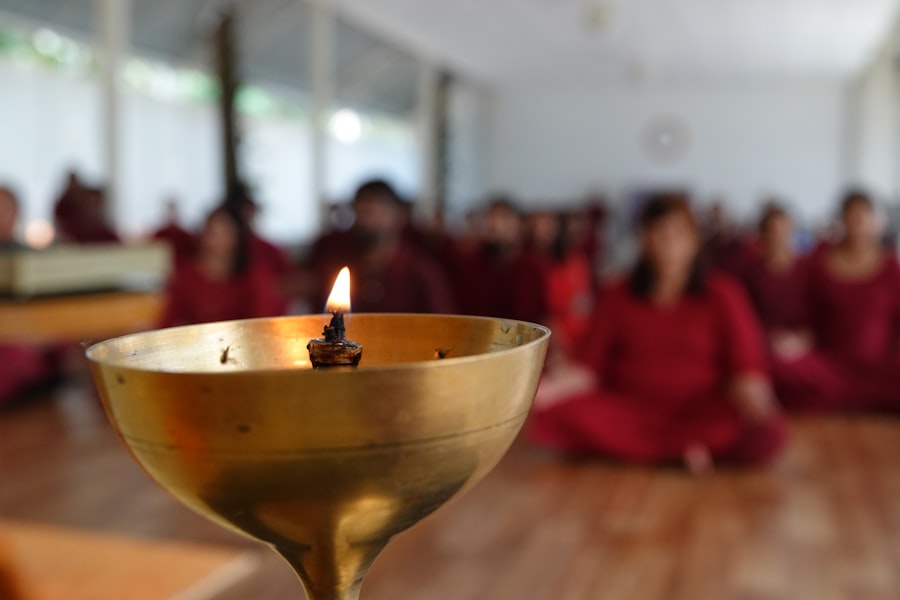
The benefits of Tibetan singing bowls meditation extend beyond mere stress reduction and relaxation. The practice has demonstrated potential in addressing a range of physical and psychological challenges, offering a holistic approach to well-being. The principles of sound healing and vibrational therapy underpin these applications, suggesting that coherent energetic patterns can positively influence the body’s systems.
Stress Reduction and Anxiety Management
One of the most widely recognized benefits of Tibetan singing bowls is their efficacy in reducing stress and managing anxiety. The deep relaxation induced by the sound vibrations can counteract the body’s stress response, which is characterized by elevated cortisol levels and heightened physiological arousal. By promoting a state of parasympathetic nervous system dominance, the practice helps to calm the mind and body, leading to a reduction in feelings of tension, worry, and overwhelm. Regular practice can build resilience to stressors, making individuals better equipped to navigate life’s challenges with equanimity.
Enhancing Sleep Quality and Insomnia Relief
For individuals struggling with insomnia or poor sleep quality, Tibetan singing bowls can offer a natural and effective remedy. The profound relaxation induced by the bowls’ sound can quiet the racing thoughts that often plague those with difficulty sleeping. By promoting a state of deep calm, the practice prepares the body and mind for restorative sleep. Many individuals report falling asleep more easily and experiencing more profound, uninterrupted sleep after incorporating singing bowl meditations into their bedtime routine. The gentle transition from wakefulness to sleep is facilitated by the soothing and unwavering presence of the bowl’s resonance.
Potential for Pain Management and Physical Healing
While not a substitute for conventional medical treatment, there is growing interest in the use of sound therapy, including Tibetan singing bowls, for pain management and supporting physical healing. Anecdotal evidence and some preliminary research suggest that the vibrations can help to reduce inflammation, ease muscle tension, and promote circulation. The theory is that the coherent vibrations can help to re-establish healthy energetic patterns within the body, which may be disrupted by injury or illness. Practitioners sometimes place bowls directly on or around the body, allowing the vibrations to penetrate the tissues more directly, though this should be approached with caution and ideally under the guidance of a trained sound therapist.
Promoting Emotional Balance and Self-Awareness
The meditative state cultivated through Tibetan singing bowls can foster greater emotional balance and enhance self-awareness. By stepping away from the constant stream of external stimuli and internal chatter, practitioners gain an increased capacity to observe their emotions without immediate reaction. This detachment allows for a deeper understanding of emotional patterns and triggers. The practice can help to release pent-up emotional energy and cultivate a sense of inner peace and emotional resilience. Furthermore, the clarity and focus gained during meditation can translate into improved decision-making and a greater sense of agency in one’s life.
Tibetan bowls meditation has gained popularity for its soothing sounds and profound effects on relaxation and mindfulness. If you’re interested in exploring this practice further, you might find a related article on the benefits of sound therapy particularly enlightening. It delves into how various sound frequencies can enhance meditation experiences and promote healing. You can read more about it in this insightful piece on sound therapy.
Incorporating Tibetan Bowls Meditation into Your Daily Life
| Metric | Description | Typical Range | Unit |
|---|---|---|---|
| Frequency Range | Sound frequency produced by Tibetan bowls during meditation | 100 – 1000 | Hz |
| Duration of Meditation Session | Average length of a Tibetan bowl meditation session | 20 – 60 | minutes |
| Decibel Level | Sound intensity of Tibetan bowls during meditation | 50 – 70 | dB |
| Number of Bowls Used | Typical number of bowls used in a meditation session | 1 – 7 | count |
| Reported Relaxation Increase | Percentage increase in relaxation reported by participants | 30 – 60 | % |
| Heart Rate Reduction | Average decrease in heart rate during meditation | 5 – 15 | bpm |
Integrating Tibetan singing bowls meditation into your routine does not necessitate a complete overhaul of your schedule. Even short, consistent sessions can yield significant benefits. The key is to find a rhythm that is sustainable and enjoyable for you. Whether you are a seasoned meditator or a complete beginner, there are simple ways to weave this practice into the fabric of your daily life.
Establishing a Consistent Practice Routine
Consistency is often more impactful than duration when it comes to meditation. Aim to set aside a specific time each day for your practice, even if it is for just 10 to 15 minutes. This could be first thing in the morning to set a calm tone for the day, during a mid-day break to re-center yourself, or in the evening to unwind before sleep. Treat this time as a non-negotiable appointment with yourself. Just as you would nourish your body with food, dedicate this time to nourishing your mind and spirit. The regularity of the practice helps to build momentum and make the experience more accessible over time.
Tools and Resources for the Aspiring Practitioner
To embark on your journey with Tibetan singing bowls meditation, you will need a singing bowl and a mallet. You can acquire these from specialized retailers, online marketplaces, or from practitioners who offer them. When selecting a bowl, listen to the sound and feel its resonance. Trust your intuition; the bowl that calls to you is likely the one that will best serve your practice. Beyond the physical tools, there are numerous resources available to guide you. Many meditation apps, online platforms, and teachers offer guided meditations featuring Tibetan singing bowls. These resources can provide structure and introduce you to various techniques and approaches.
Adapting the Practice for Different Needs and Situations
The beauty of Tibetan singing bowls meditation lies in its adaptability. For those with limited mobility, lying down is a perfectly acceptable and often deeply relaxing way to practice. If you have only a few minutes, focus on a single bowl and its sustained resonance. If you have more time, you can explore using multiple bowls, varying the sequence and duration. For individuals seeking a more immersive experience, guided sound baths or one-on-one sessions with a sound therapist can offer profound benefits. The practice can be tailored to suit your energy levels, your available time, and your specific well-being goals.
Beyond Individual Practice: Group Meditations and Sound Baths
While individual practice is highly beneficial, participating in group Tibetan singing bowls meditations or sound baths can amplify the experience. In a group setting, the collective resonance of multiple bowls creates a powerful and immersive soundscape. The shared energetic field can deepen the sense of connection and relaxation for all participants. Sound baths, in particular, are designed for deep passive immersion, where participants recline and receive the healing vibrations from a practitioner who orchestrates a symphony of bowls. These communal experiences can be incredibly potent for stress release, emotional processing, and fostering a sense of community.
In conclusion, the practice of Tibetan bowls meditation offers a profound pathway to inner peace, mental clarity, and holistic well-being. By harnessing the ancient wisdom of sound and vibration, individuals can cultivate a deeper connection with themselves and navigate the complexities of modern life with greater resilience and grace.
To conclude, we invite you to elevate your focus and well-being by downloading the LiquidSounds app from the home page; your ultimate gateway to mastering deep work, finding your zen, and reclaiming the quality of your sleep.


Lascia un commento